
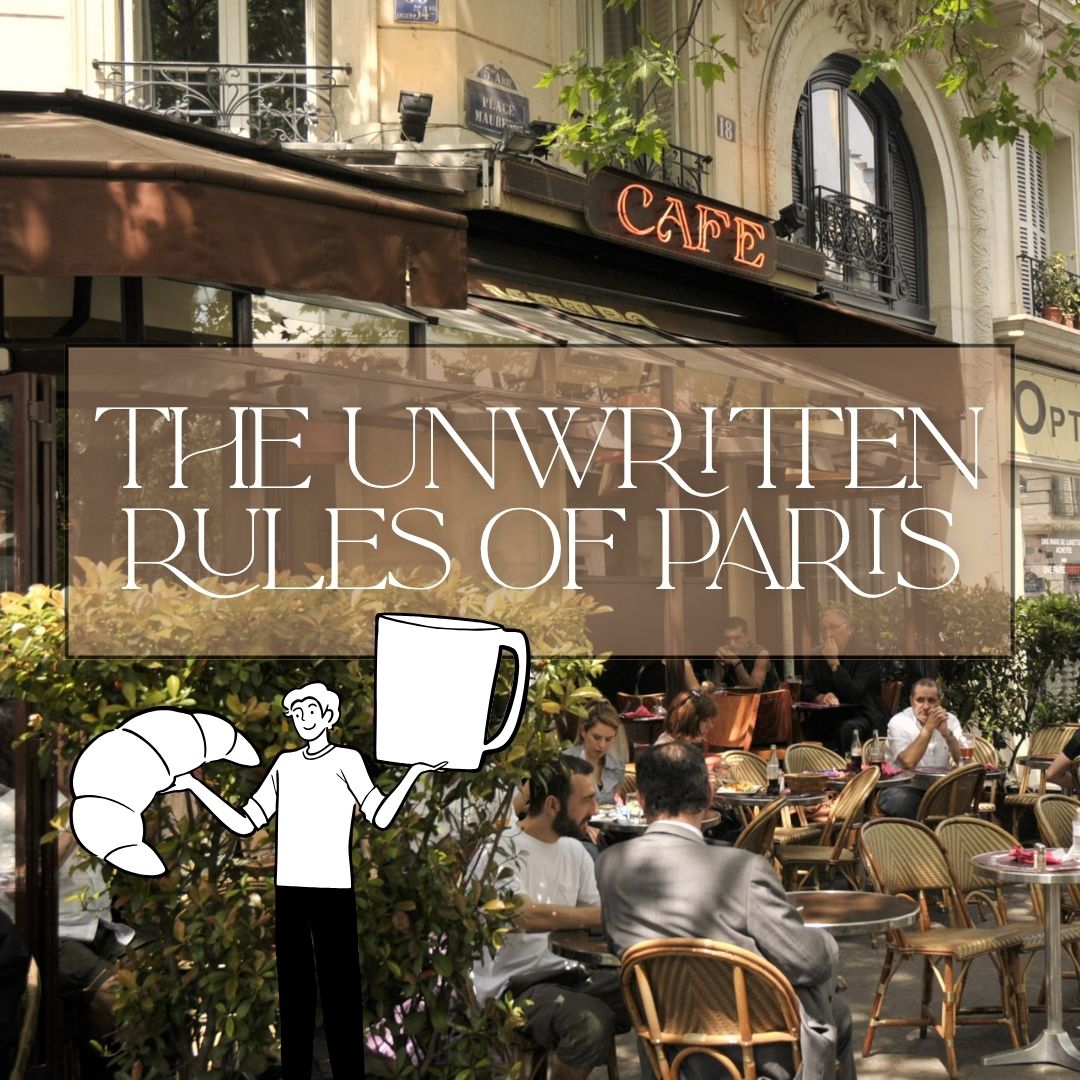
The Unwritten Rules of Paris: Etiquette To Blend in Like a Local
Mastering a few basics of Paris etiquette can make all the difference in how you’re received. There’s no official rulebook for Paris, but there are rules—unspoken, cultural, and very much noticed when you break them. The kind of rules that get you better service at a café, keep you from getting side-eyed in a market, and help you feel like you’re part of the city instead of just photographing it.
This isn’t about changing who you are—it’s about tuning into how Parisians live, eat, and move through their city so you can experience Paris more deeply. Fitting in just a little can make your trip feel a lot more rewarding.
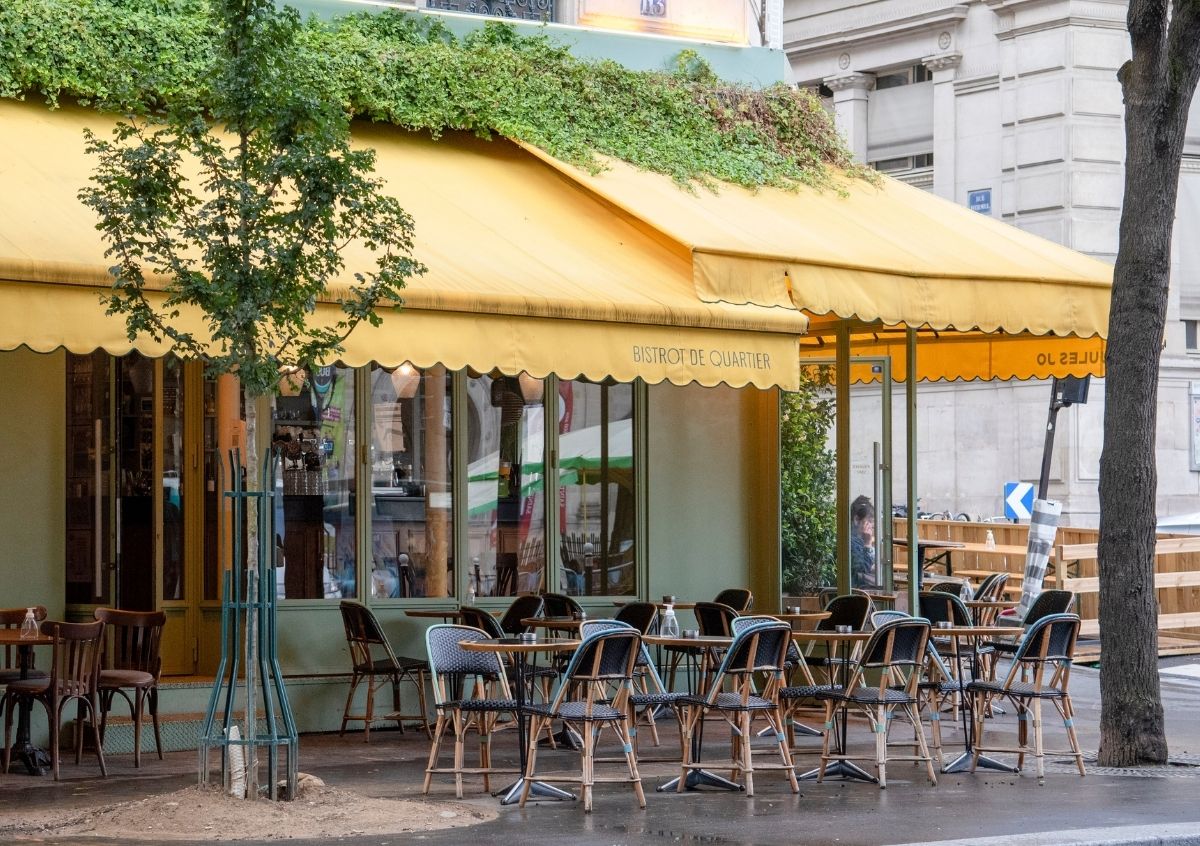
Café Etiquette in Paris
Always begin with a “Bonjour” This applies for whether you’re taking a seat at a café, entering a boutique, or stepping into a bakery; greeting the person you’re interacting with is a baseline for polite exchange in France. Skipping it can be seen as abrupt or even rude, no matter how friendly your tone is after.
A table in a Paris café is yours once you order, there’s no rush to leave, no table flipping. If you want to sip your wine slowly you absolutely can! But keep in mind that it’s polite to free up a prime terrace spot during peak hours.
Most chairs face the street for a reason: people-watching is part of the experience. Take your time, enjoy the rhythm, and don’t expect constant check-ins from staff.
If you’re in a hurry or just want a quick espresso, head to the bar inside. It’s faster (and cheaper) than table service.
Service on the terrace is intentionally unhurried. To signal the server, don’t wave. Make eye contact or raise a hand subtly, and you’ll likely hear a calm “j’arrive”.
And if you’d like tap water, ask for a carafe d’eau. It’s free, but typically only if requested.
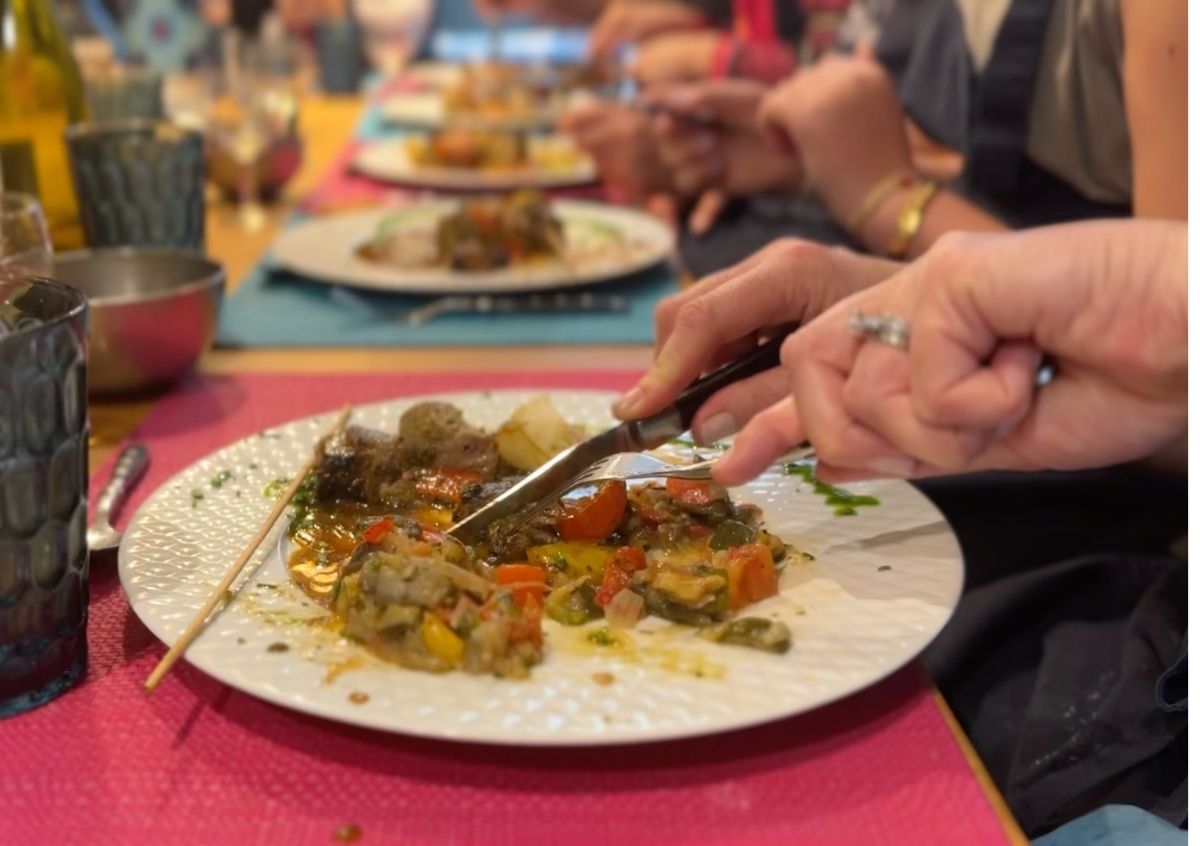
Restaurant Etiquette in Paris
French dining culture values discretion, formality, and rhythm. Even in casual bistros, there’s an expected structure: you’re greeted and seated (never seat yourself), handed menus at the appropriate time, and only addressed by the server when they’re ready—not when you are. The tone is quiet, respectful, and never rushed (except occasionally in the popular bouillon restaurants – that’s an experience in itself and a great one to include during your time in Paris!).
Menus are not suggestions. Substitutions are rarely allowed unless it’s for an allergy. It’s considered impolite to rearrange the dish, and asking to “build your own” will likely earn a raised eyebrow. The chef’s composition is meant to be enjoyed as-is.
Timing is another key difference. Lunch service usually ends by 2:30 PM and dinner starts around 7:30 PM. There’s often only one seating per table in the evening, so reservations are highly recommended—especially at smaller or well-reviewed spots. Many restaurants will cancel your booking if you arrive more than 15 minutes late without notice.
If wine is involved, the person who ordered will usually be invited to taste first. And if you’re unsure how to navigate the experience confidently, our guide to dining successfully in Paris offers insider advice on when to book, how to behave, and what to expect.
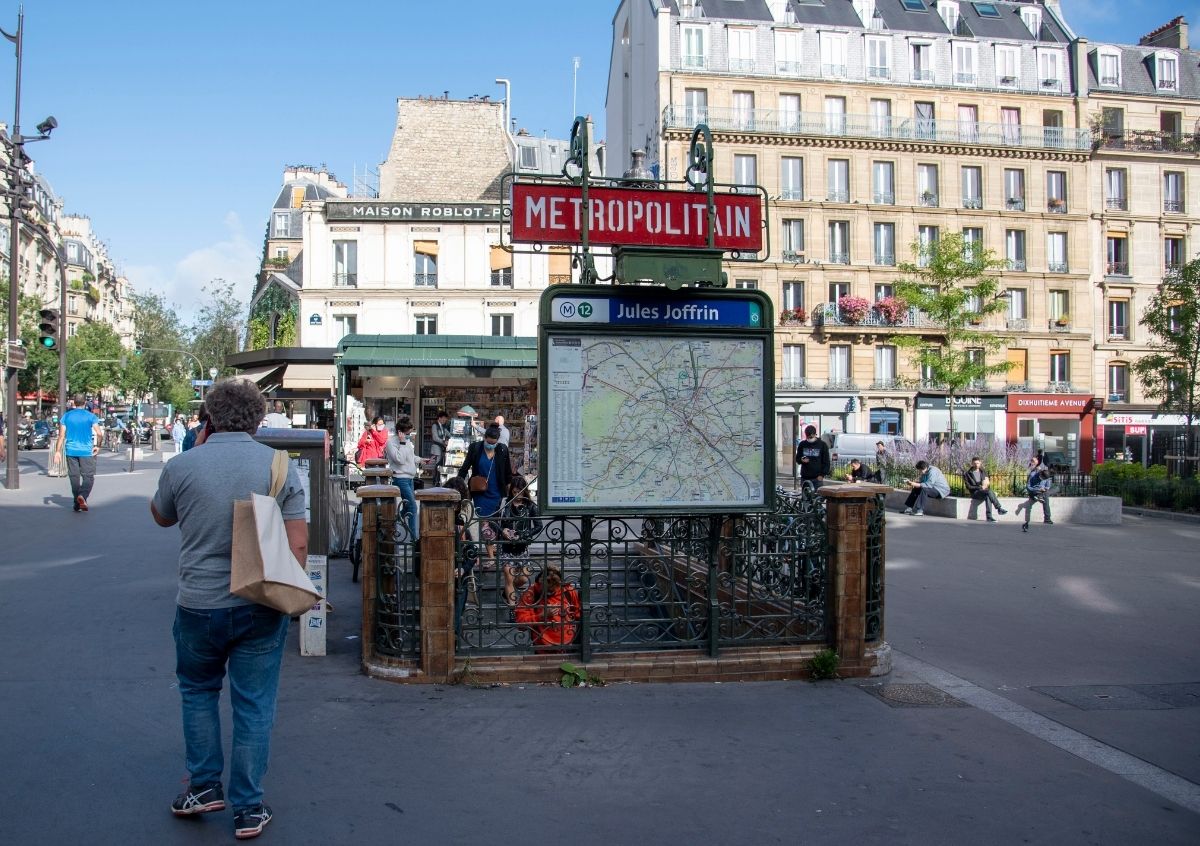
Metro & Bus Etiquette
On the metro, efficiency is everything. Step aside to let others off before boarding. Never stand in the doorway once inside—it’s a guaranteed way to get a glare. Bags should go between your feet or on your lap, never on an empty seat. If someone older, pregnant, or with children boards, offering your seat is expected.
Conversation, if it happens at all, is kept to a murmur. Music leaks, speakerphone calls, or loud commentary will mark you instantly as an outsider. This awareness of space and sound applies just as much on the metro as it does in shops or elevators.
On the bus, greet the driver with a simple bonjour as you board, and move toward the back to make room. Don’t crowd the front if seats are available further down. Like in most of the city, flow matters. These quiet social habits are part of everyday Paris etiquette, especially on public transport.
If you’re unsure about how tickets work or how to make the most of Paris’s excellent transit system, start with our practical guide to using metro tickets like a local. And if you’ve never taken a city bus in France, you might be surprised at how scenic—and local—it feels. This piece on how to take the bus in Paris offers tips to ride with confidence.

Market Etiquette
Paris markets aren’t just for picking up groceries—they’re woven into the rhythm of daily life. But don’t mistake them for supermarkets. At most stalls, you’re not meant to touch the produce. It really depends on the market so feel free to ask if you can serve yourself. Pointing, gesturing, and using polite phrases like “Je voudrais…” or “Un peu de…” shows respect for the vendor’s space and process.
Vendors often select the best items for you—sometimes based on when you say you’ll eat them. A ripe tomato for tonight? Slightly firmer peaches for the weekend? That kind of exchange is part of the culture. Regulars often develop relationships with their favorite sellers, creating a sense of trust and routine that defines the experience.
If you’re curious about how to navigate it all like a local, we’ve unpacked it step by step in our guide to understanding the French food market. And if you want to take it further, our French Market Tour & Cooking Class gives you the full experience: shop alongside our chefs, then head to the kitchen to cook what you’ve handpicked. Small rituals like these are key to understanding Paris etiquette in everyday life.
Meeting Your French Friend for a Gathering: What to Expect
You’ve made a connection—now comes the greeting, and in France, that moment carries meaning.
Les bises (cheek kisses) are common among friends: typically two, one on each cheek. But don’t rush in. Let your host or friend set the tone. If they lean in, follow their lead. If not, a polite handshake or a simple bonjour will always be well-received. These little social cues are central to Paris etiquette.
Bringing a small gift is part of the ritual if you’re invited to someone’s home. A bottle of wine, a bouquet (but avoid chrysanthemums—they’re for funerals), or something thoughtful from your home country is perfect. The gesture matters more than the item itself.
Don’t be surprised if you’re welcomed into the kitchen to help prepare the meal. It’s a sign of familiarity and trust—not formality. That shared prep time, surrounded by good smells and casual conversation, is very French. Our hands-on cooking and baking classes are modeled after exactly this kind of gathering: collaborative, relaxed, and rooted in connection.
When toasting, hold eye contact. In France, failing to do so is said to bring seven years of bad luck in the bedroom. Superstition or not, most people don’t risk it.

Paris doesn’t ask you to pretend to be someone else—but it does invite you to pay attention. Blending in isn’t about going unnoticed. It’s about stepping into the rhythm of the city and letting it shape how you walk, order, eat, and interact. It’s the difference between checking off the sights and actually feeling present while you’re here. One small change—like starting with bonjour—can shift how the whole city opens up around you.
Paris doesn’t ask you to pretend to be someone else—but it does invite you to pay attention. Blending in isn’t about going unnoticed. It’s about stepping into the rhythm of the city and letting it shape how you walk, order, eat, and interact. It’s the difference between checking off the sights and actually feeling present while you’re here. One small change—like starting with bonjour—can shift how the whole city opens up around you.
Are you curious about what to do in certain situations in Paris? Leave a comment with your question! Most likely a LOT of other people would like to know too.