
Where to Buy the Best Butter in Paris
Ask a French chef what ingredient they care about most, and butter will be high on the list. It is not just about richness. In French cuisine, butter helps build structure, texture, and flavor. From croissants and sablés to sauces, it matters not only that you use butter, but that you use the right one.
Why Butter Matters in French Cooking
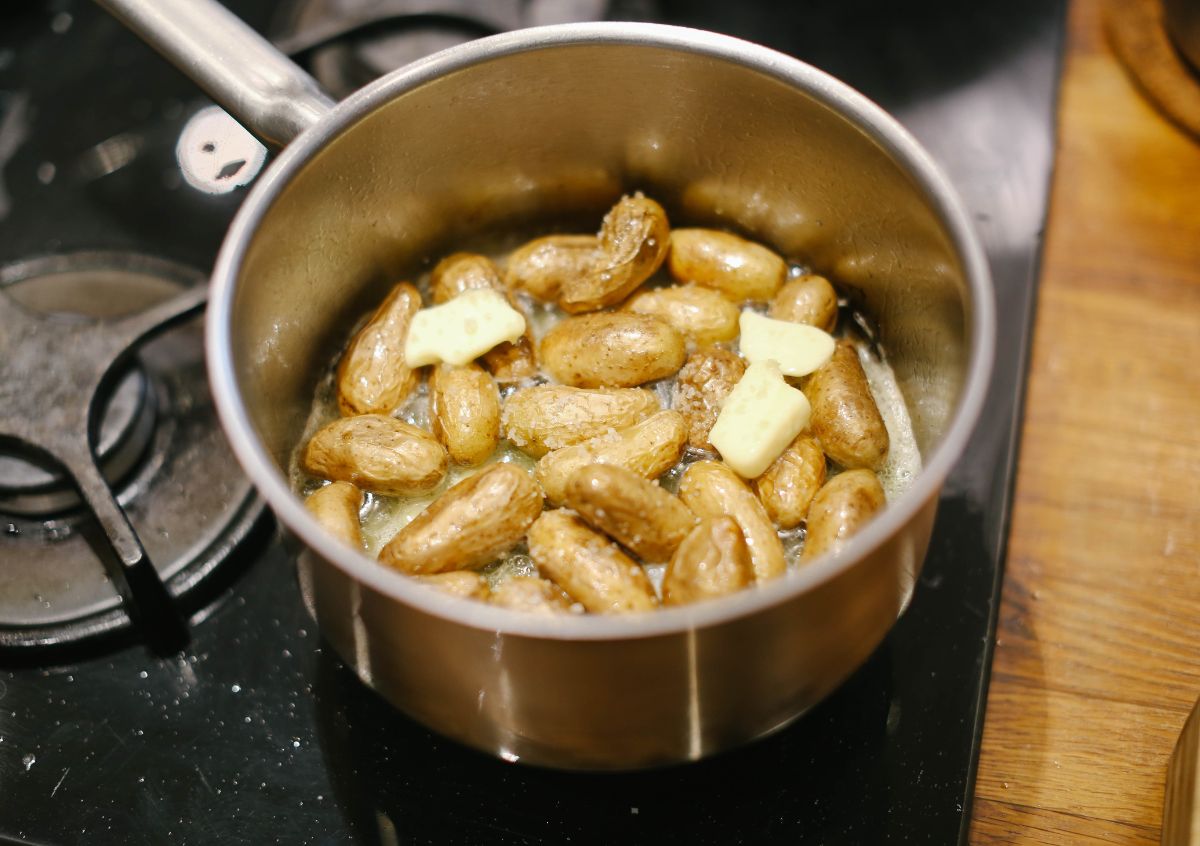
French recipes often begin and end with butter. A sauce is mounted with cold butter for sheen and depth. A tart crust is only as good as the butter that goes into it. Even a simple baguette deserves something better than a supermarket block.
Unlike standard supermarket options found elsewhere, French butter has a minimum butterfat content of 82 percent. That small increase in fat means less water and more flavor. In many recipes, it also means flakier pastries and smoother emulsions.
This attention to base ingredients is also what defines the structure of classic French sauce making, where butter is often the final ingredient used to balance and enrich.
What Makes French Butter Different
French butter stands out for more than just its fat content. Many varieties are cultured, meaning they undergo a fermentation process before churning. This adds complexity and a slight tang that works beautifully in both savory and pastry applications.
There are also regional distinctions. Beurre d’Isigny and Beurre Charentes-Poitou both have AOP status, protecting the origin and method of production. These butters are prized for their creamy texture and subtle, nutty flavor.
Raw milk butter (beurre cru) is churned from unpasteurized cream, often sold at markets or specialty shops. It is delicate, rich, and deeply aromatic. It should be used within a week or two of purchase and stored with care.
Many cooks compare the butter selection process to choosing a wine or cheese. It depends on the dish, the occasion, and personal taste. This ingredient-focused mindset also connects to how French cooks use shallots, another quiet but powerful building block.
Where to Buy the Best Butter in Paris
You will find butter in any grocery store, but if you want what chefs choose, start with these spots:
Beillevaire
8 Rue de l’Annexion, 75016 Paris
Known for its raw milk butters, Beillevaire churns its products in-house using traditional wooden barattes. The taste is clean, slightly tangy, and perfect for both spreading and baking.
Échiré Boutique
31 Rue de Lisbonne, 75008 Paris
This is the Paris shop dedicated to the Échiré brand. Their butter is lightly salted and cultured, with a pale, silky finish. Many chefs use Échiré for pastries and laminated doughs.
Marché Saxe-Breteuil
Avenue de Saxe, 75007 Paris (between Avenue de Ségur and Place de Breteuil)
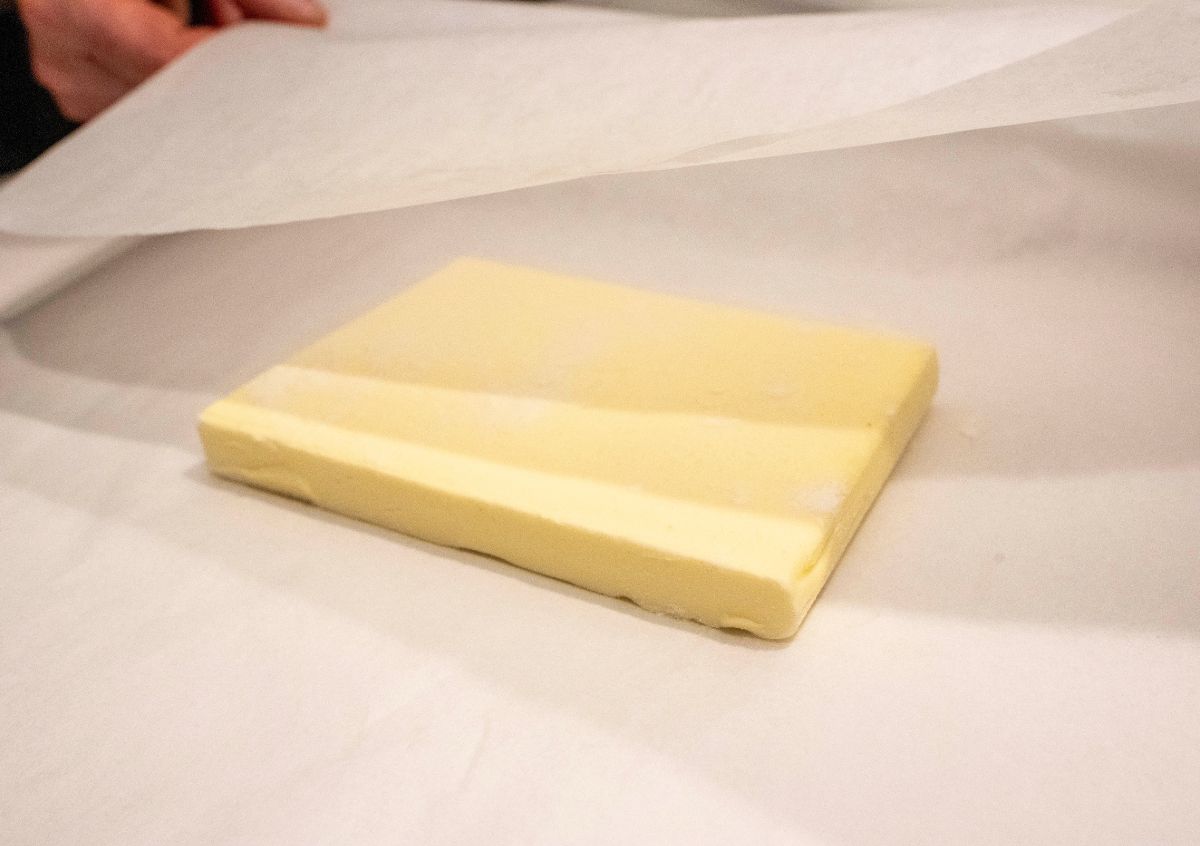
Open Thursdays and Saturdays, this market often features Normandy butter producers. Look for farmers offering beurre cru by the slab, wrapped in waxed paper with minimal labeling.
Exploring markets for ingredients like butter is also part of the experience of learning to cook in Paris, to get the best experience, here are some helpful tips on understanding the french food market
Fromagerie Quatrehomme
62 Rue de Sèvres, 75007 Paris
A Meilleur Ouvrier de France award-winning shop where you can buy both salted and unsalted AOP butters from around the country.
38 Rue de Sèvres, 75007 Paris
This upscale food hall not only stocks high-quality butters, it also offers a vacuum sealing (sous vide) service at checkout. If you are flying home and want to bring back butter, ask the staff to seal your purchase for travel. It typically costs one euro per bag.
Choosing the Right Butter for the Job
Not all butters are interchangeable. Here is how to match the butter to the use:
-
For pastry: Use a dry, high-fat cultured butter like Échiré or Isigny. These help create crisp, flaky results.
-
For sauces: Choose unsalted or demi-sel butter to control seasoning.
-
For table use: Try beurre cru with bread or radishes. Serve at room temperature.
-
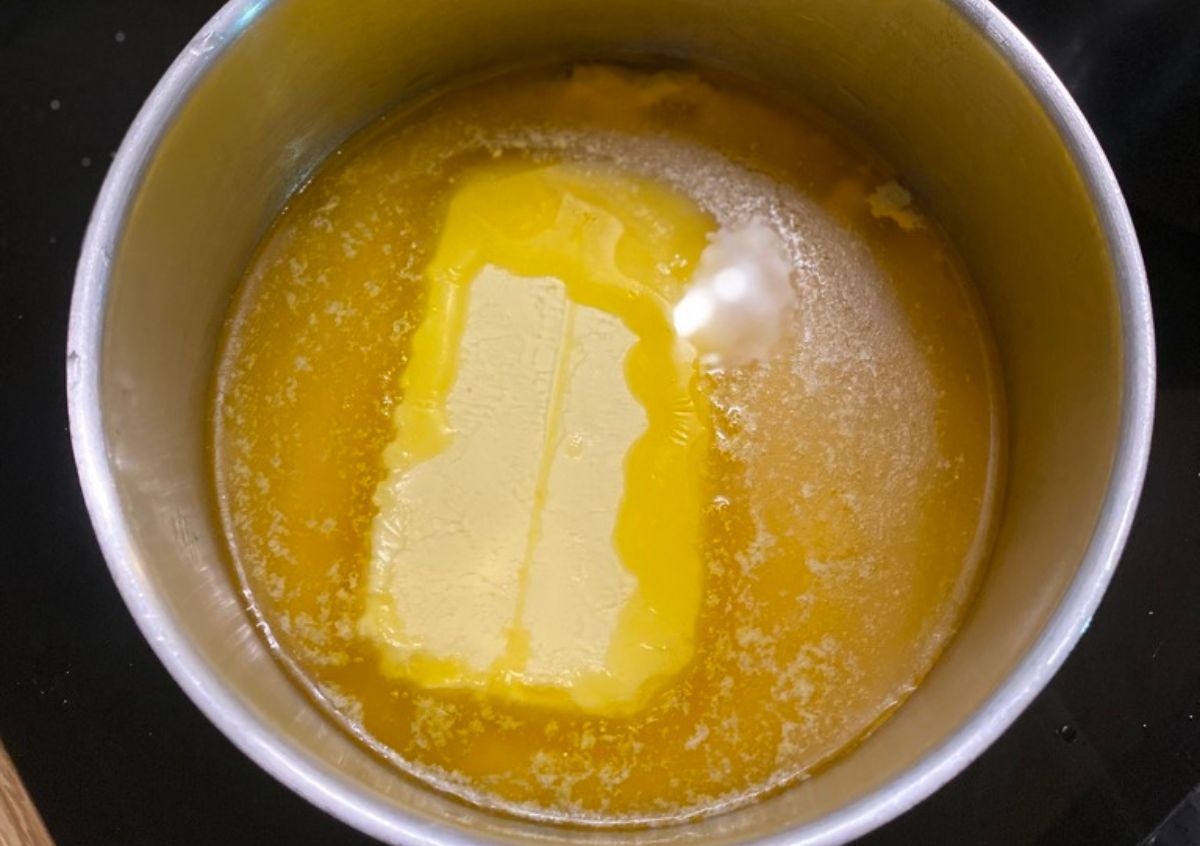
For sautéing: Use a lower-moisture butter, and clarify it if you need a higher smoke point.
These differences are not only about taste. The structure and water content of the butter can change how a sauce emulsifies or how a tart base holds together. Understanding these details is one of the reasons confident cooks often seek out French cooking classes that focus on technique.
How to Store Butter Like a Local
In some French homes, butter is kept on the counter in a butter bell or crock, especially if it is salted. For unsalted or raw milk butter, refrigeration is best, but wrap it well to avoid absorbing other odors.
You can also freeze butter in small portions, especially if you buy directly from a market vendor or dairy and want to make it last. Just label the wrapping with the purchase date and use it within a few months for best quality.
Whether you are building a sauce, rolling out a tart crust, or just buttering a piece of good bread, what you choose matters. In French cooking, small upgrades to ingredients like butter can shift a dish from good to memorable.